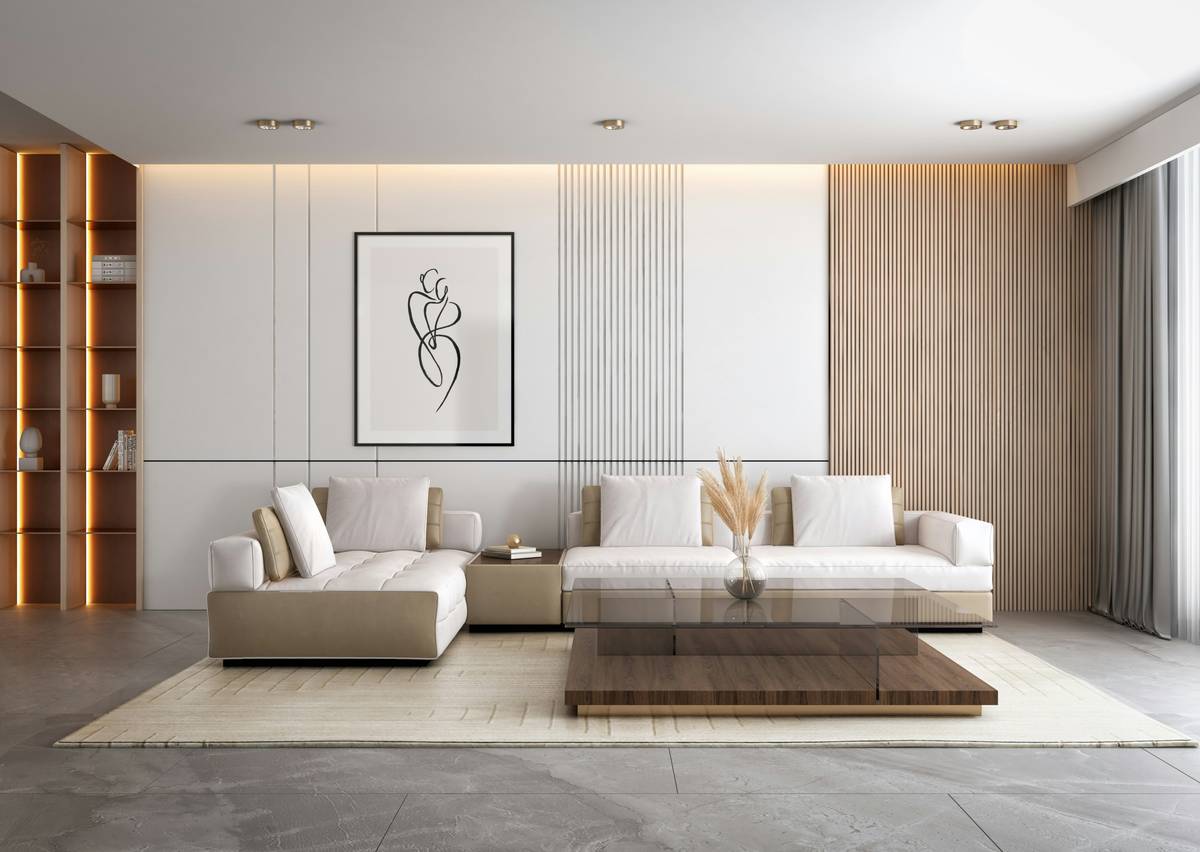
You bought expensive outdoor furniture. You installed mood lighting. Yet your patio still feels… off. Harsh sun blinds you by noon. Evening breezes carry dust and bugs. Privacy? Forget it—your neighbor sees your morning coffee ritual. The real issue isn’t your decor—it’s missing a flexible, functional barrier. And surprisingly, the fix isn’t another rug or planter. It’s interior curtains for home—repurposed outdoors with smart tweaks.
Why Most Outdoor Curtain Solutions Fail Miserably
Most homeowners grab cheap polyester panels labeled “outdoor” from big-box stores. They fade in weeks. Sag after one rainstorm. And offer zero UV protection. Others avoid curtains altogether—afraid of mildew or wind damage. But here’s the truth: durability isn’t about the label. It’s about material science and installation strategy. Conventional wisdom treats outdoor spaces like second-class rooms. That’s why they never feel finished.
And that “weather-resistant” claim? Often just marketing fluff. Without proper backing or weave density, even “outdoor” fabrics become translucent under sunlight—defeating privacy and glare control.
How to Use Interior Curtains for Home Outside (Without Ruining Them)
You don’t need specialty outdoor curtains. In fact, high-quality interior curtains for home often outperform budget “outdoor” options—if you prep them right. Here’s how:
Select Fabric Like a Pro
Avoid lightweight linens or silks. Go for tightly woven cotton duck, solution-dyed acrylic, or polyester blends with a tight thread count (≥200). Bonus: choose fabrics labeled “fade-resistant” or “solution-dyed”—the color is embedded in the fiber, not surface-printed.
Reinforce Hems and Grommets
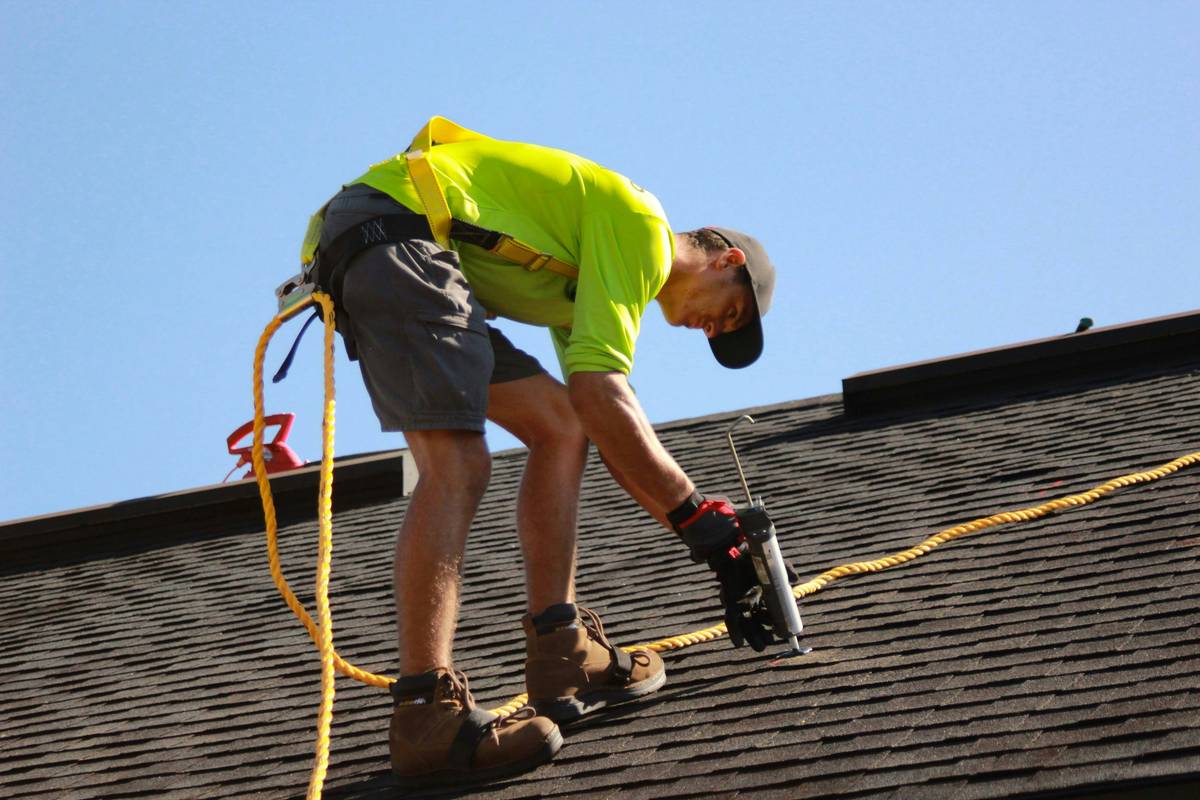
Standard curtain hems tear fast in wind. Double-stitch all edges. Replace plastic grommets with marine-grade stainless steel or brass. Add a weighted hem rod—stainless steel or vinyl-coated chain—to prevent billowing.
Install Smart Hardware
Use tension rods only for covered porches. For open patios, opt for ceiling-mounted tracks with lockable sliders. Angle brackets should be stainless steel (not zinc-plated)—they won’t corrode in humidity.
Maintenance That Actually Works
Don’t wait for stains. Rinse panels monthly with a garden hose. For deeper cleaning, use mild detergent + oxygen bleach (never chlorine). Air-dry completely before rehanging—mildew starts in 48 hours if moisture lingers in folds.
| Approach | Upfront Cost | Lifespan (Avg.) | Privacy at Night | UV Protection |
|---|---|---|---|---|
| Budget “Outdoor” Polyester Panels | $25–$50/pair | 6–12 months | Poor (backlighting shows silhouettes) | Low (blocks ~30% UV) |
| Repurposed Interior Curtains (Pro-Treated) | $60–$120/pair | 2–4 years | Excellent (dense weave + optional blackout liner) | High (blocks 70–90% UV with proper fabric) |
| Custom Sunbrella Outdoor Drapes | $200+/pair | 5+ years | Good | Very High |
The Industry Secret: Layer Them Like a Designer
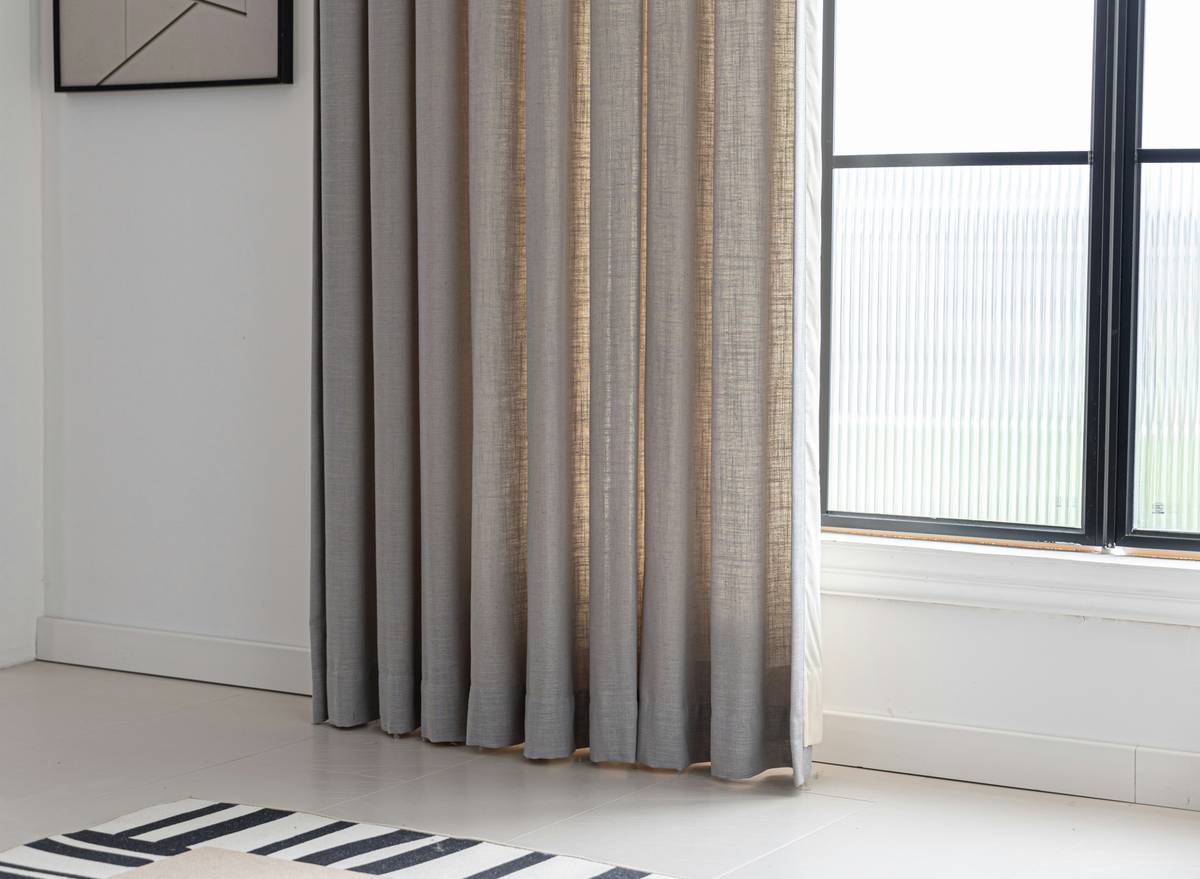
Top outdoor designers never rely on one curtain layer. They pair a sheer interior curtain (for daytime diffused light) with a heavier blackout panel (for evening privacy and storm protection). Both mounted on parallel tracks. Why? Single-layer systems force compromise. Sheers offer no privacy at night. Blackout panels kill ambiance during the day. Dual layers give total control—and let you reuse existing interior curtains for home as the base layer. The math is simple: spend 30% more upfront, avoid full replacement for years. Contractors won’t tell you this—it cuts their repeat business.
Frequently Asked Questions
Can regular indoor curtains survive outside?
Yes—if treated and installed correctly. Use fade-resistant, tightly woven fabrics. Reinforce hems. Always allow full drying after rain. Avoid uncovered exposure in freezing climates.
Do outdoor curtains block heat?
Dense weaves with white or light backings reflect up to 65% of solar heat. Blackout-lined versions work even better. But leave an air gap between curtain and window/wall for convection cooling.
How do I stop outdoor curtains from blowing away?
Weighted hems + track-mounted sliders with friction locks. Never use clip rings or standard curtain hooks—they detach in 15mph winds. For open sides, add vertical tie-backs to wall anchors.